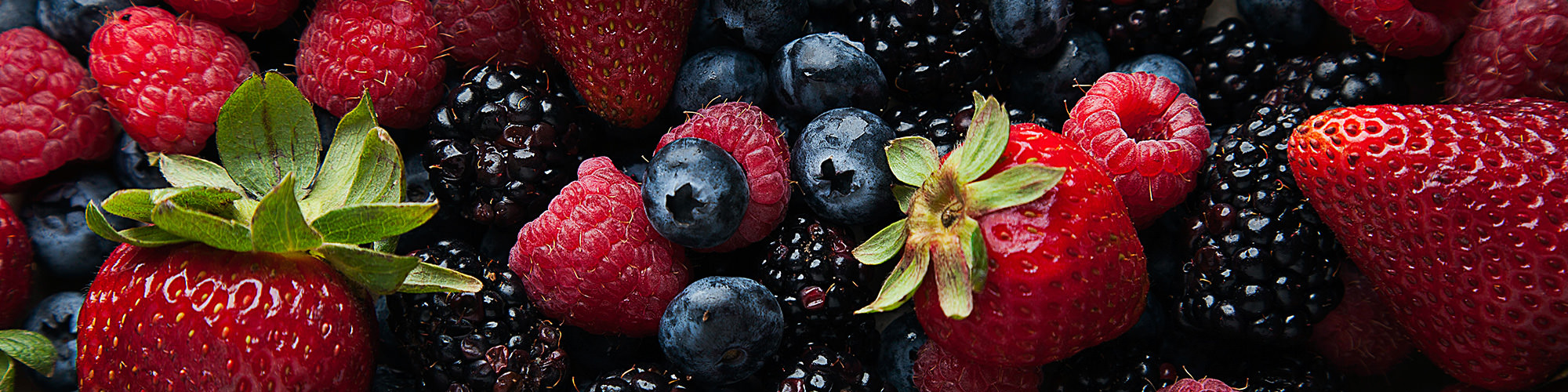
In our experience, we have seen many organizations working on the fruit and not the important components that produce the fruit.
We are privileged to work with many agriculturally based companies and often rub shoulders with the people who feed us on a daily basis. From that experience, we know that if you ask a farmer, he will tell you that when the fruit is mature, there isn’t much you can do to make it better. You might be able to shine it up a little on your sleeve, but if it’s bad, you’ve just drawn attention to the badness.
The same holds true for what you are selling/promoting (the fruit). Focusing your efforts on the final product and ignoring your brand is an exercise in fruitility (pun intended) and disappointment.
Nature teaches us, along with many other scenarios, that we must look after the plant in order to realize great fruit. We must carefully look after (nurture, empower and protect) the brand, which will then produce the desired results.
We’ve all heard the saying money doesn’t grow on trees. Often, that’s because we haven’t looked after our tree the way we should have.