Sooner or later, every leader has to take a hard look at a product or service they offer and figure out whether it still deserves a place in the business. Usually, that means choosing one of three paths: doubling down on it, revamping it or moving on.
Peter Drucker believed that last option deserves far more attention than it gets. He called it “planned abandonment” — the discipline of regularly letting go of what you’ve outgrown, or what’s become obsolete, so that you can free up time, talent and money for what’s next. As he saw it, the first step toward growth “is to decide what to abandon.” He even offered a simple question to guide that decision: If we weren’t already doing this, knowing what we know now, would we start it today?
It’s a good question, one that can bring clarity to a decision you’ve been putting off. There’s another question that has the same aim, but it gets there by asking you to imagine someone else sitting in your chair. An executive with everything on the line asked it as he weighed whether to move on from the product his company was built on.
The Question That Saved Intel
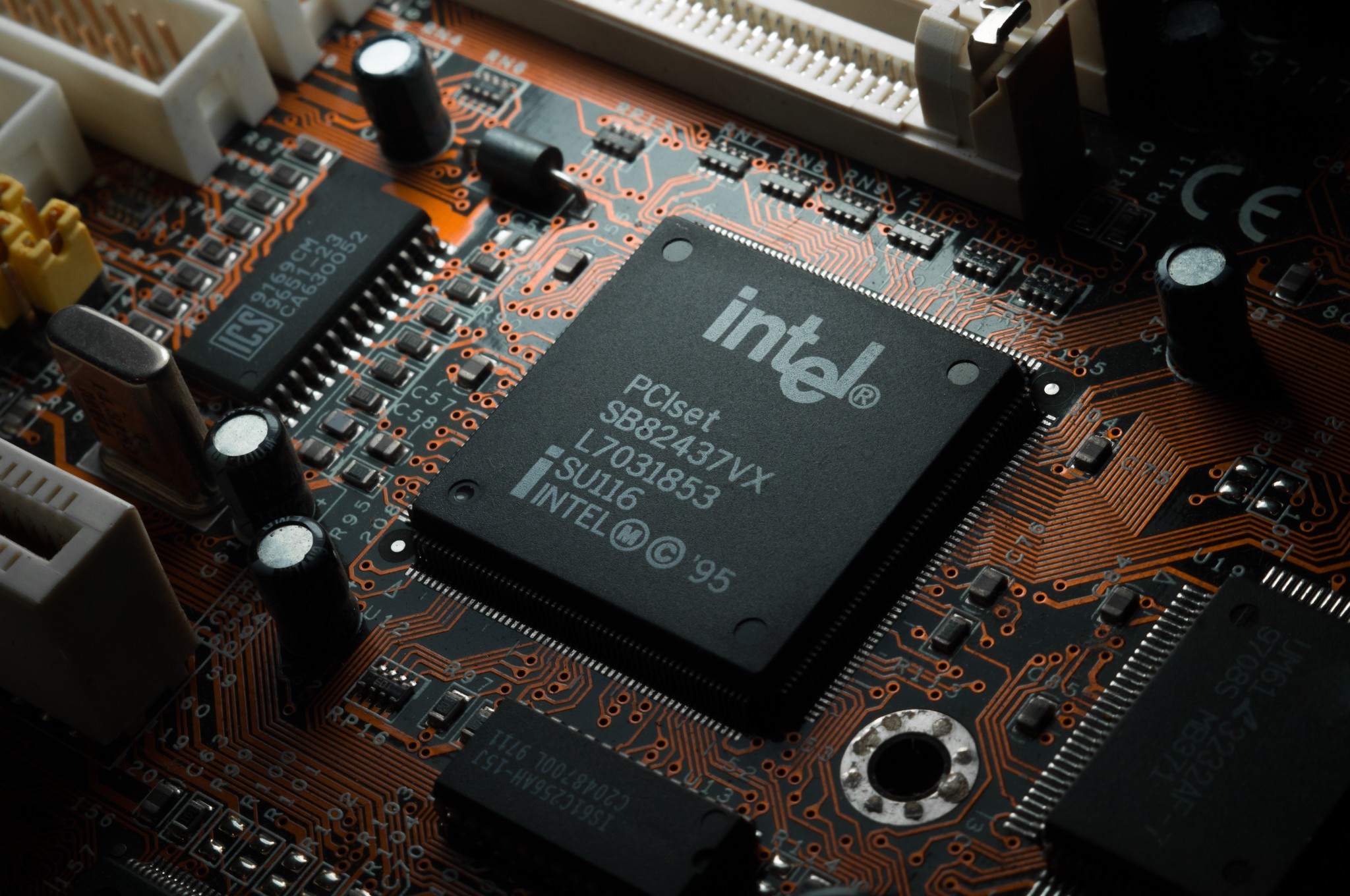
In 1985, Intel was in trouble. The company had pioneered the memory chip business, but Japanese competitors were now selling higher-quality chips at much lower prices, just as the entire semiconductor industry slumped. By year’s end, Intel’s profits had plummeted.
Andy Grove, then Intel's president, had spent months going back and forth with CEO Gordon Moore about what to do. Memory chips were so central to Intel that walking away from them felt impossible. “How could we give up our identity?” Grove later wrote. Finally, he asked Moore a question that broke the stalemate: If the board fired us and brought in a new CEO, what would that person do?
Moore answered without hesitation. A new CEO would get out of the memory chip business.
So Grove proposed they act as their own replacements. They would set aside their history with memory chips, look at Intel the way a new leadership team would and make the decision that team would make.
From there, the path was clear. Intel left the memory business behind and refocused on microprocessors. Within two years, the company was posting record profits, and its chips would go on to power most of the world’s personal computers.
What’s striking is that they didn’t stay stuck in a pattern of indecisiveness. The writing was on the wall, and they knew they had to act. Grove later admitted it was difficult to say they were leaving the memory business, but they found the nerve to do it anyway.
Most of us know how rare that is. When you’ve poured years into something, every sacrifice you’ve made becomes part of the case for keeping it going, even when the dashboard is blinking red. I know because I’ve done it, and I’ve watched plenty of smart, capable leaders do the same.
The next time a decision about an underperforming product or service gets pushed to next quarter, ask both questions. Would we start this today? What would my successor do? The answers won’t make the decision any easier — Grove and Moore found that out firsthand — but they will tell you whether it’s time to double down, revamp it, or move on.